Can You Remove PPF Without Damaging Your Vehicle's Paint?
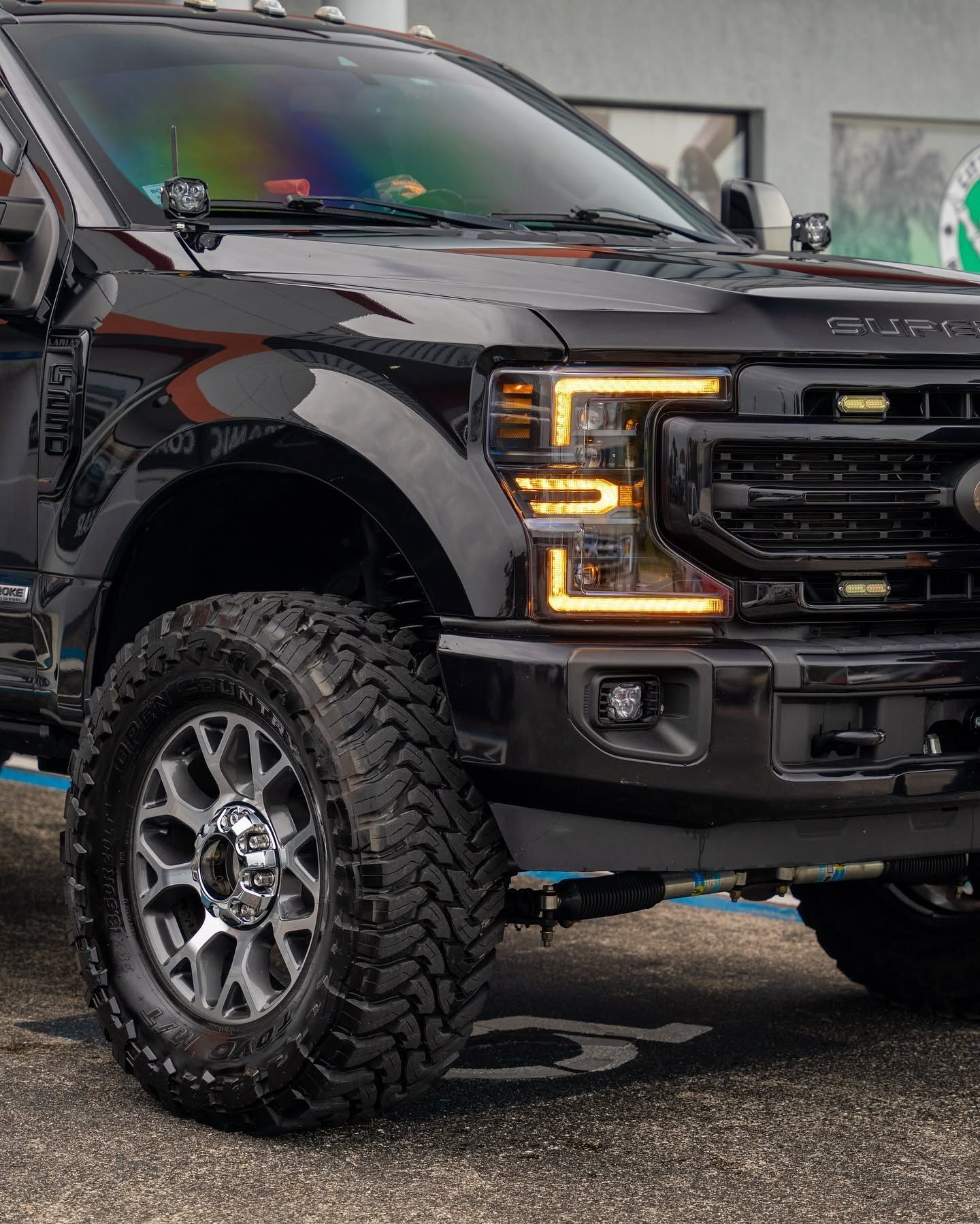
Yes, paint protection film (PPF) can often be removed without damaging vehicle paint, particularly when the original factory finish is sound and the film is removed correctly. However, the outcome depends on the film’s condition, the paint underneath, and the removal technique. Repainted panels and deteriorating finishes require additional consideration.
For vehicle owners in Fort Myers and Naples, understanding these factors helps reduce uncertainty when removing or replacing existing film. Whether you own a daily driver, a truck, or a luxury vehicle, protecting its finish begins with an assessment rather than pulling at a loose edge.
What Affects the Risk of Paint Damage During PPF Removal?
Paint protection film creates a physical barrier over painted surfaces. Although it is designed to be removable, how easily it releases depends on the product, its condition, and the surface to which it was applied.
An intact factory finish generally offers a more predictable foundation than paint with existing damage or an uncertain repair history. Film installed over peeling clear coat or poorly bonded paint may disturb those weakened areas during removal.
The clear coat is the transparent outer layer of the paint system. If this layer is already failing, removing the film can reveal or worsen the problem. A professional should therefore consider the condition of both the protective film and the underlying finish.
The goal is to identify potential concerns before work begins and explain what can reasonably be expected.
How Film Age and Condition Affect Removal
There is no universal age at which every PPF product needs to be removed. Different films have different specifications, and their condition is influenced by maintenance, storage, driving habits, and environmental exposure.
A garage-kept vehicle may experience different exposure than one regularly parked outdoors, whether you drive in Fort Myers or Naples. Age provides useful context, but visible changes and product guidance also matter.
Cracking, curling edges, discoloration, and a brittle appearance are reasons to arrange an inspection. Deteriorated film may tear into smaller pieces during removal, making the process more involved.
An advertised warranty period should not be treated as a guarantee of easy removal throughout that term. If the film starts changing noticeably, ask about its condition before assuming it can remain in place indefinitely.
Why Repainted Panels Need Extra Attention
Previous bodywork is important information when evaluating PPF removal. A repainted panel may look excellent while having different adhesion characteristics from the original factory finish. Repair quality, surface preparation, and curing all influence how a refinished panel performs. Repainting does not automatically mean film removal will cause damage, but it introduces variables that should be discussed beforehand.
Tell the technician about collision repairs, touch-ups, replacement panels, or areas where paint has previously lifted. Installation records and repair documentation can help establish a clearer picture. If you purchased the vehicle used and do not know its history, say so. An inspection may identify visible concerns, but it cannot guarantee the condition of every area concealed beneath the film.
How Professional Paint Protection Film Removal Works
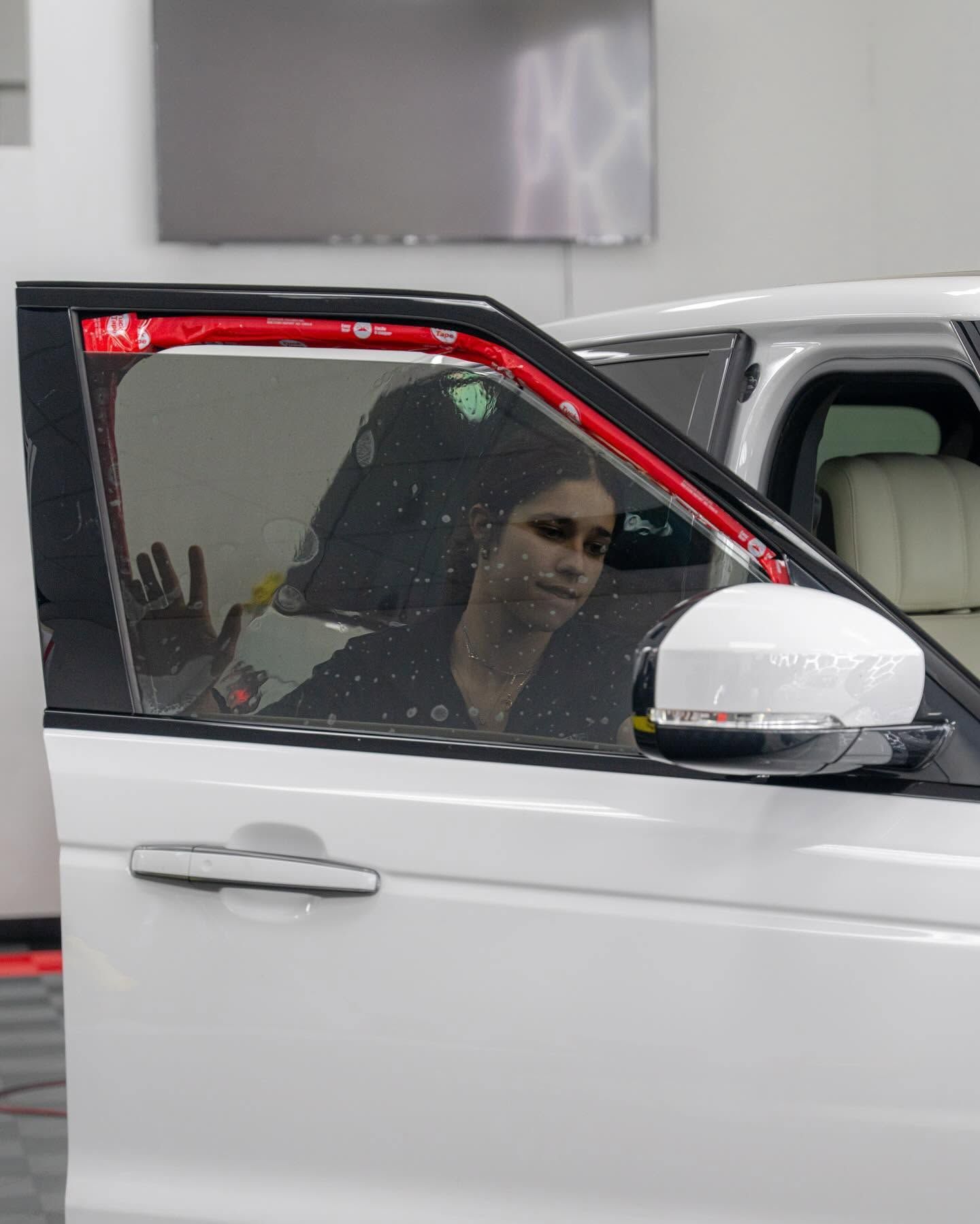
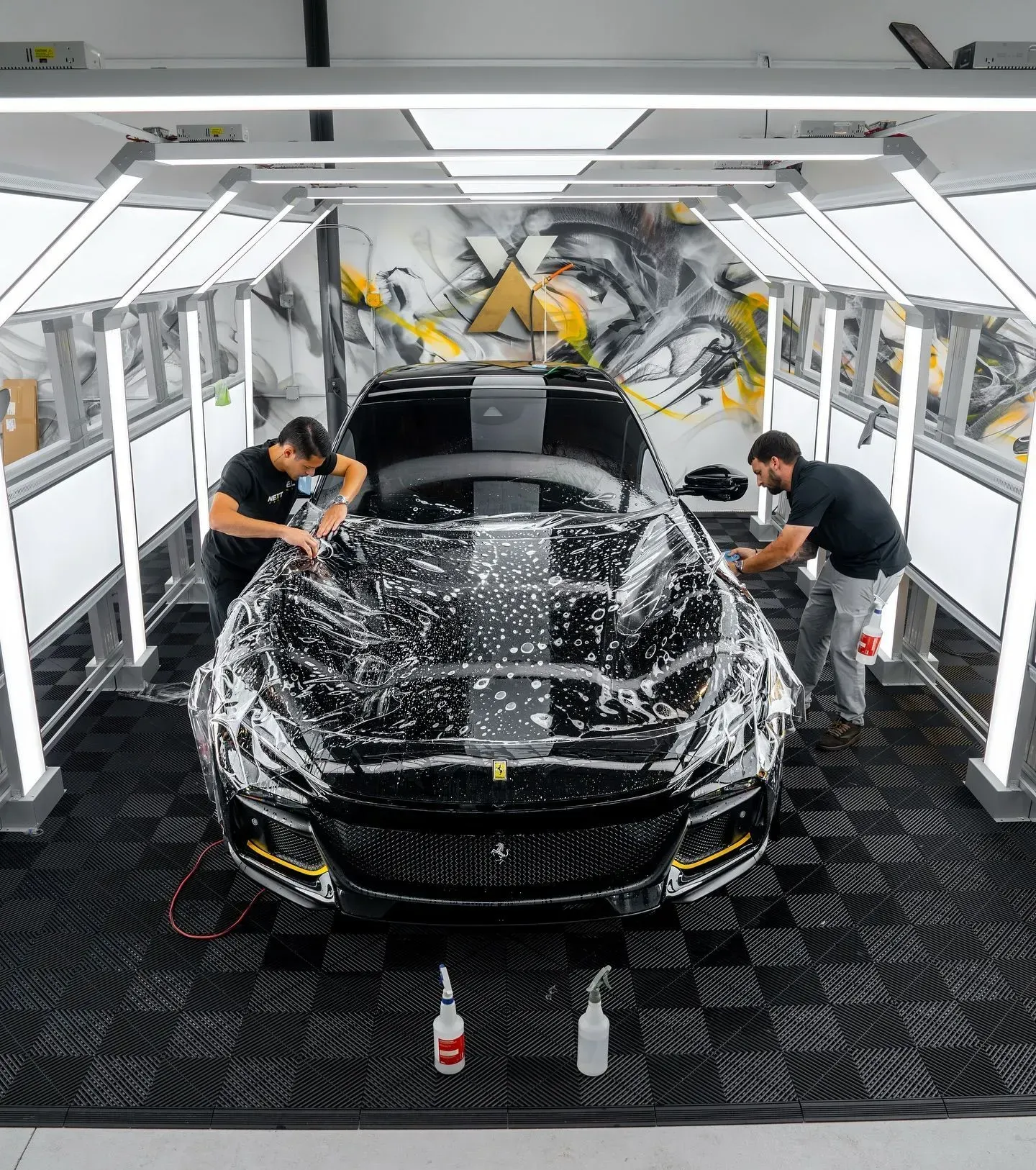
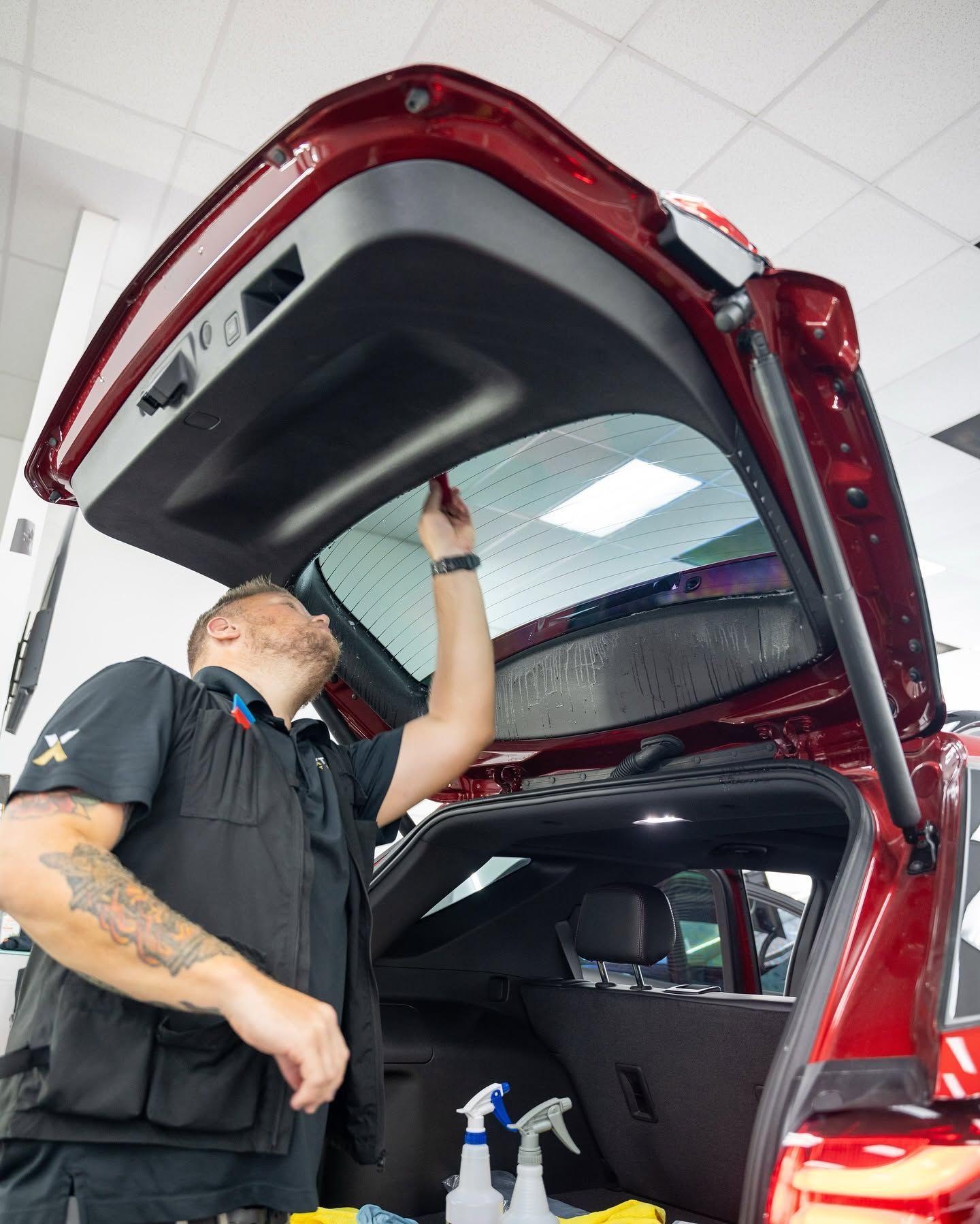
Professional PPF removal should begin with an inspection and identification of the film when possible. The technician considers its condition, panel coverage, wrapped edges, and any known paint concerns.
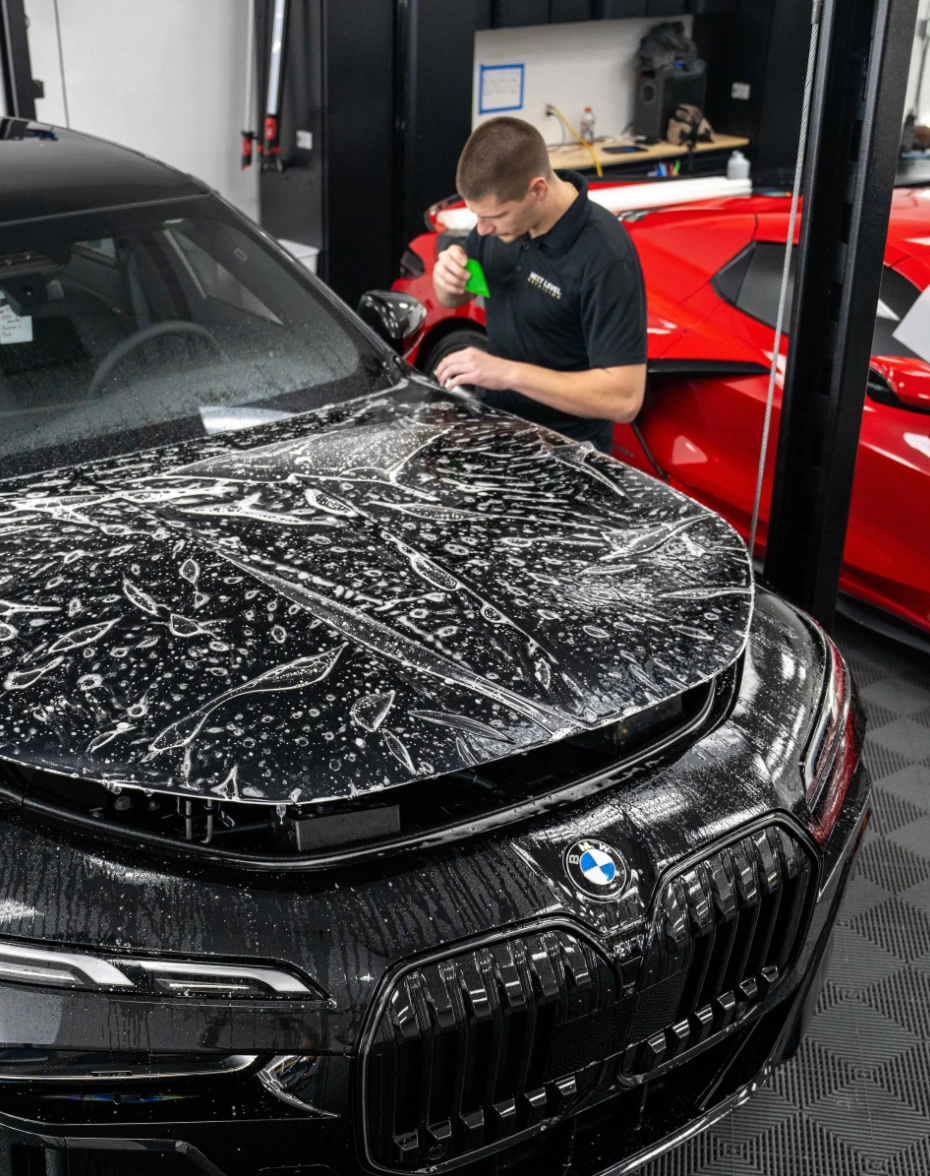
The removal method should follow the film manufacturer’s guidance. Depending on the product, controlled heat or steam may help the material release. Temperature, pulling direction, and technique should suit the specific film rather than follow a universal formula. The technician works progressively while monitoring the surface. Resistance, repeated tearing, or signs that the finish is unstable may require a pause and reassessment.
After removing the film, the technician evaluates any remaining adhesive and checks the panel’s appearance. Cleanup and inspection are important parts of the process, particularly when replacement protection is being considered. Careful handling cannot eliminate every risk, but it helps avoid unnecessary stress on the finish.
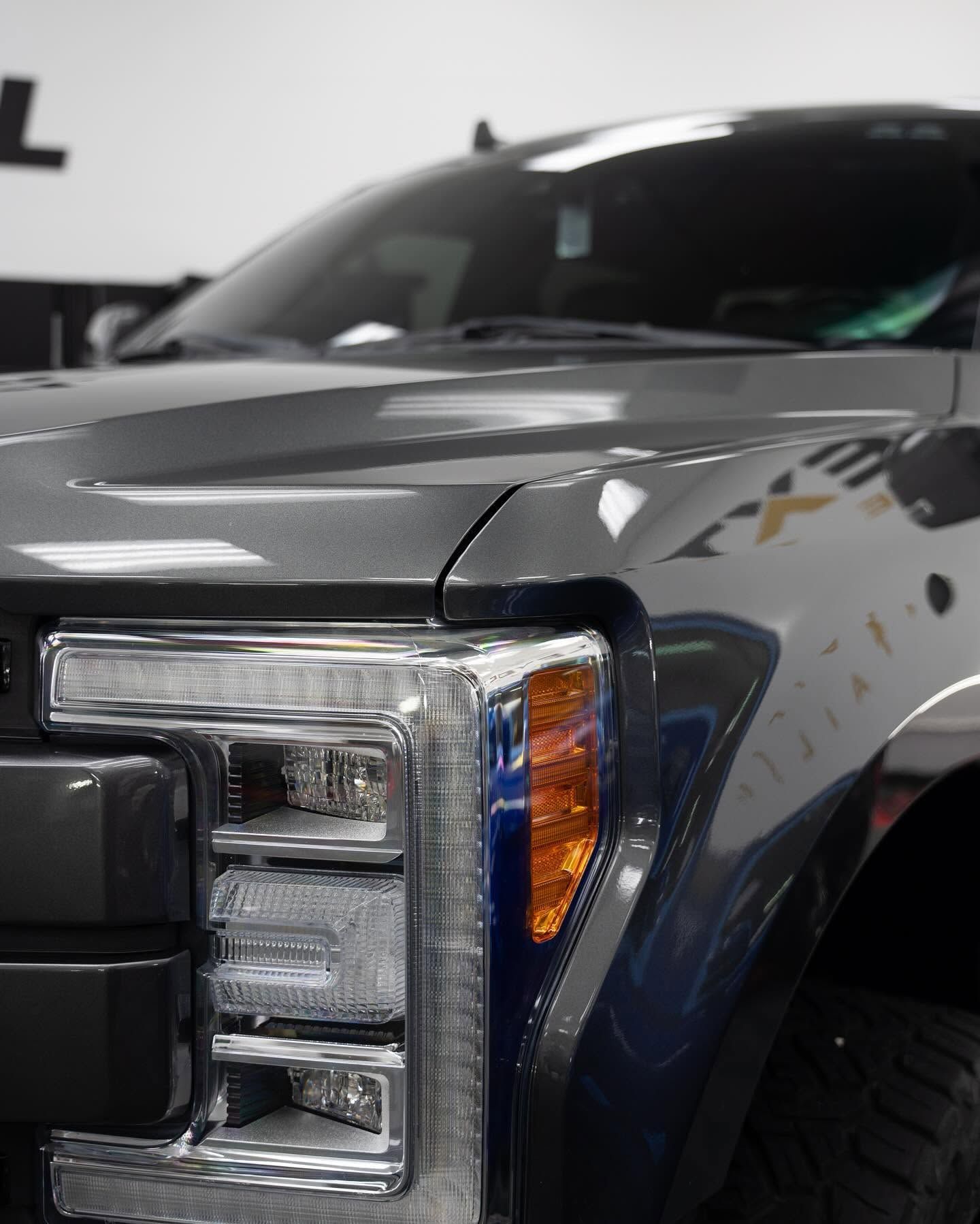
Can Adhesive Residue Be Removed Without Harming Paint?
Adhesive residue can remain after PPF removal. A sticky surface does not automatically indicate paint damage, although it may make the finish difficult to assess until cleanup is complete.
The appropriate cleaning method depends on the adhesive and the condition of the paint. A product should be compatible with the surface and used according to its instructions. Repaired or deteriorated finishes deserve particular caution. Avoid scraping residue with metal blades or scrubbing it with abrasive pads. Aggressive cleaning can damage the finish or surrounding trim.
If residue resists gentle treatment, continuing with more force is not the best next step. A professional can reassess the surface and select a suitable approach. Proper cleanup helps reveal the panel’s actual condition before polishing or new protection is discussed.
Should You Attempt DIY PPF Removal?
A loose corner can make PPF removal appear simple. However, the condition of that edge does not establish how the rest of the film will release or how stable the paint beneath it is. DIY removal becomes less predictable when film is brittle, covers large panels, wraps around edges, or covers previously repaired or repainted areas. Using unfamiliar heating equipment or pulling forcefully can introduce additional problems.
For owners who prioritize careful workmanship, a professional assessment helps clarify the process, potential risks, and scope before work begins. Ask about the removal method, potential complications, and what happens if the technician discovers unstable paint. If you have already started and notice paint lifting or film breaking into many small pieces, stop. Continuing may make an existing problem harder to address.
What Should a PPF Removal Estimate Include?
A useful estimate explains the work involved rather than presenting a price without context. Film condition, coverage, panel shapes, and adhesive cleanup can all affect the scope.
Ask whether the estimate includes inspection, removal, residue cleanup, and a final evaluation of the finish. Clarify how unexpected concerns will be communicated and whether additional work requires your approval.
Also distinguish removal from paint correction and replacement film installation. These are separate decisions, and not every vehicle needs the same follow-up treatment.
For Fort Myers and Naples customers comparing providers, the quality of the explanation matters. Clear expectations and thoughtful communication help you judge the service beyond its initial cost.
Inspecting and Protecting Paint After PPF Removal
Once the film and adhesive have been removed, inspect the panels under bright, even lighting. Look for remaining residue, discoloration, chips, or areas where the finish appears unstable.
Some imperfections may have existed before installation. Their appearance after removal does not, by itself, establish when they developed.
Have any area with an unclear finish condition assessed before polishing. Paint correction may improve suitable surface imperfections, but it cannot repair peeling paint or replace missing clear coat. A professional assessment can help determine the appropriate next step.
If the finish is suitable, replacement PPF may be an option for continued protection against road debris in covered areas. Ceramic coating may also be worth discussing for easier routine cleaning, although it does not provide the same physical impact protection as film.
Discuss Your PPF Options With Next Level Detailing
Can PPF be removed without damaging vehicle paint? Often, yes, but the most useful answer comes from evaluating your vehicle’s film, finish, and repair history.
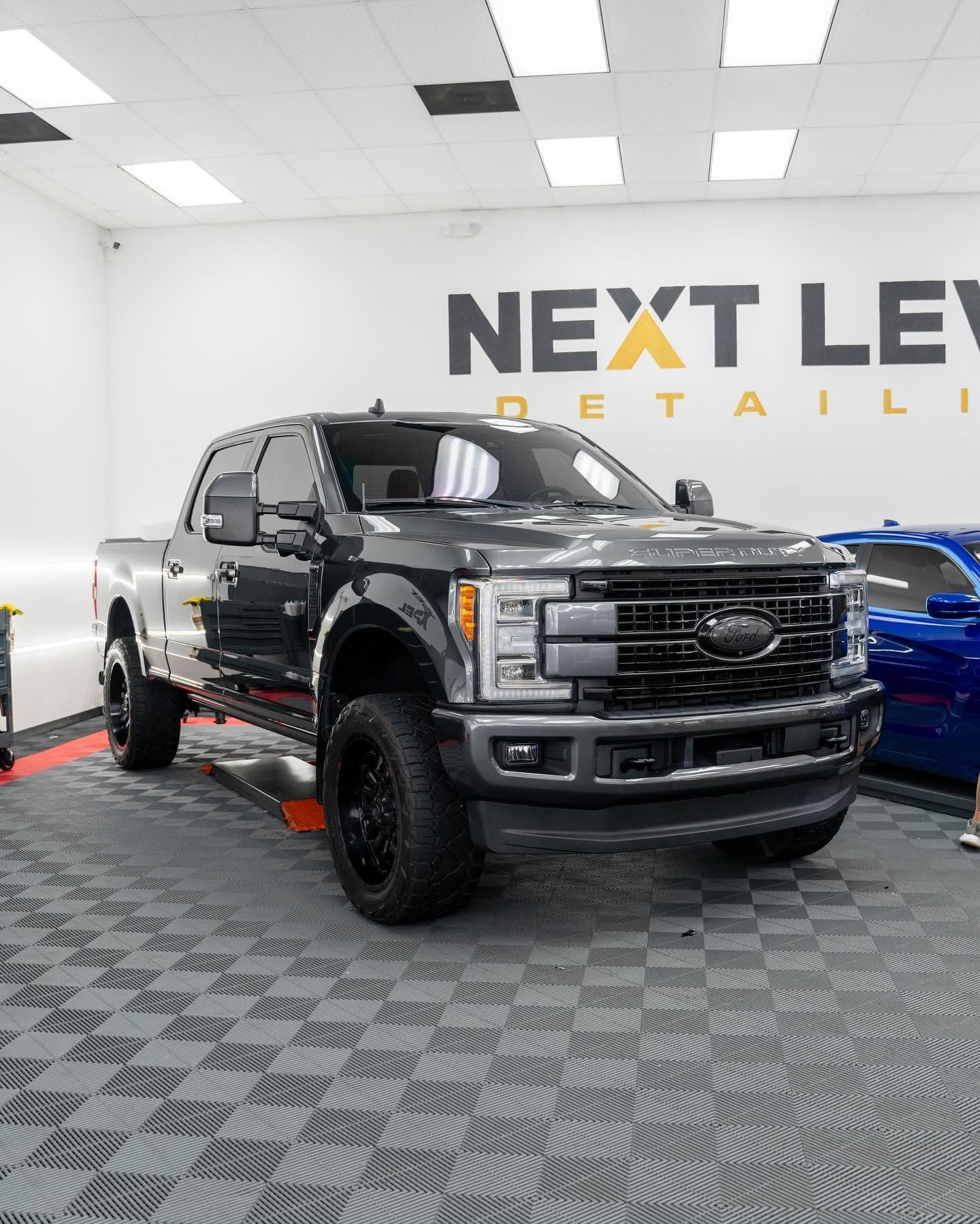
At Next Level Detailing, we emphasize quality workmanship, clear communication, attentive service, and careful handling of your vehicle. We have served Southwest Florida since 2008 and welcome everything from everyday cars and trucks to luxury and exotic models.
If you are considering removing or replacing paint protection film in Fort Myers or Naples,
contact Next Level Detailing to discuss your existing PPF and available options. Bring any installation or repair records so we can help you make an informed decision about your vehicle’s protection.