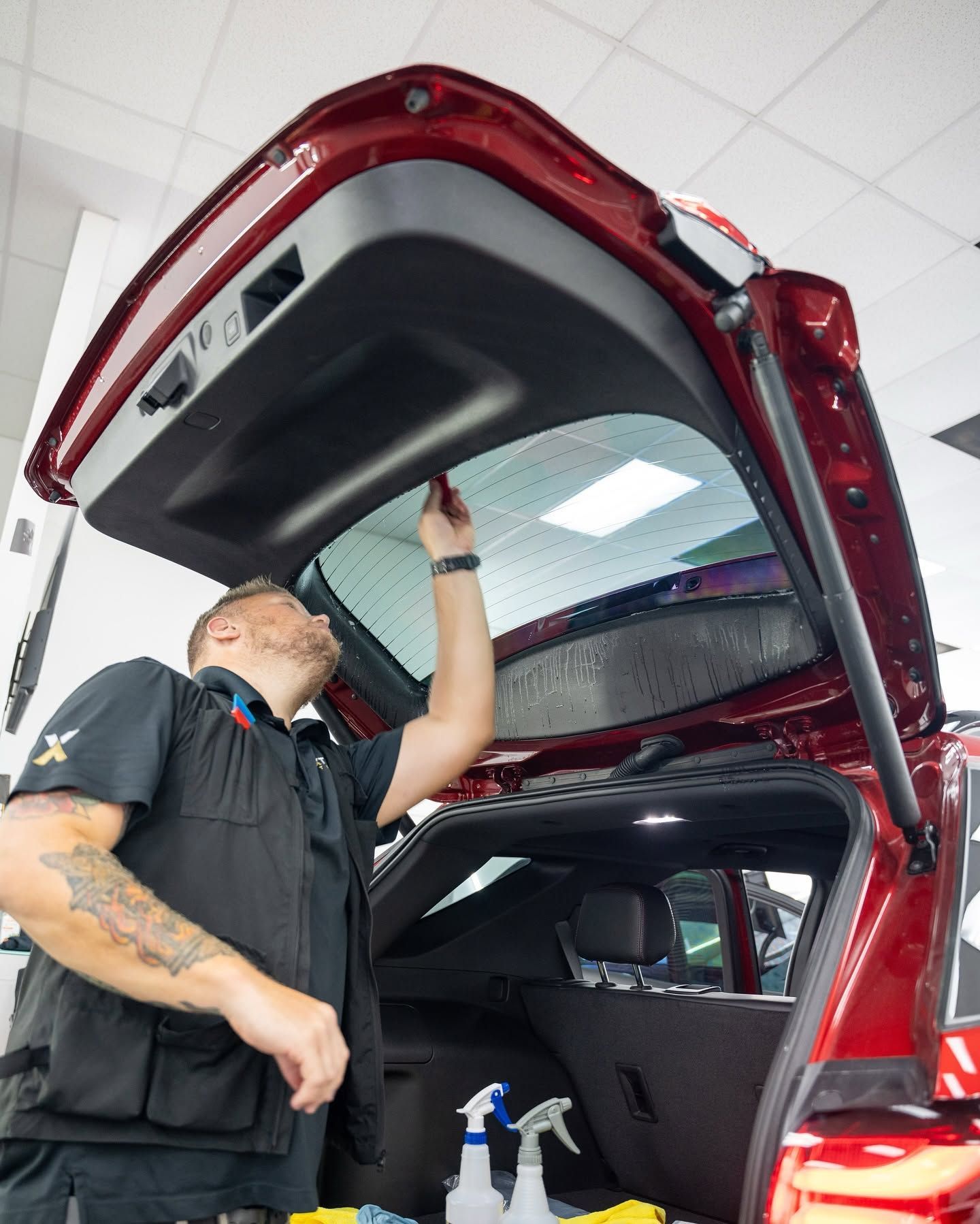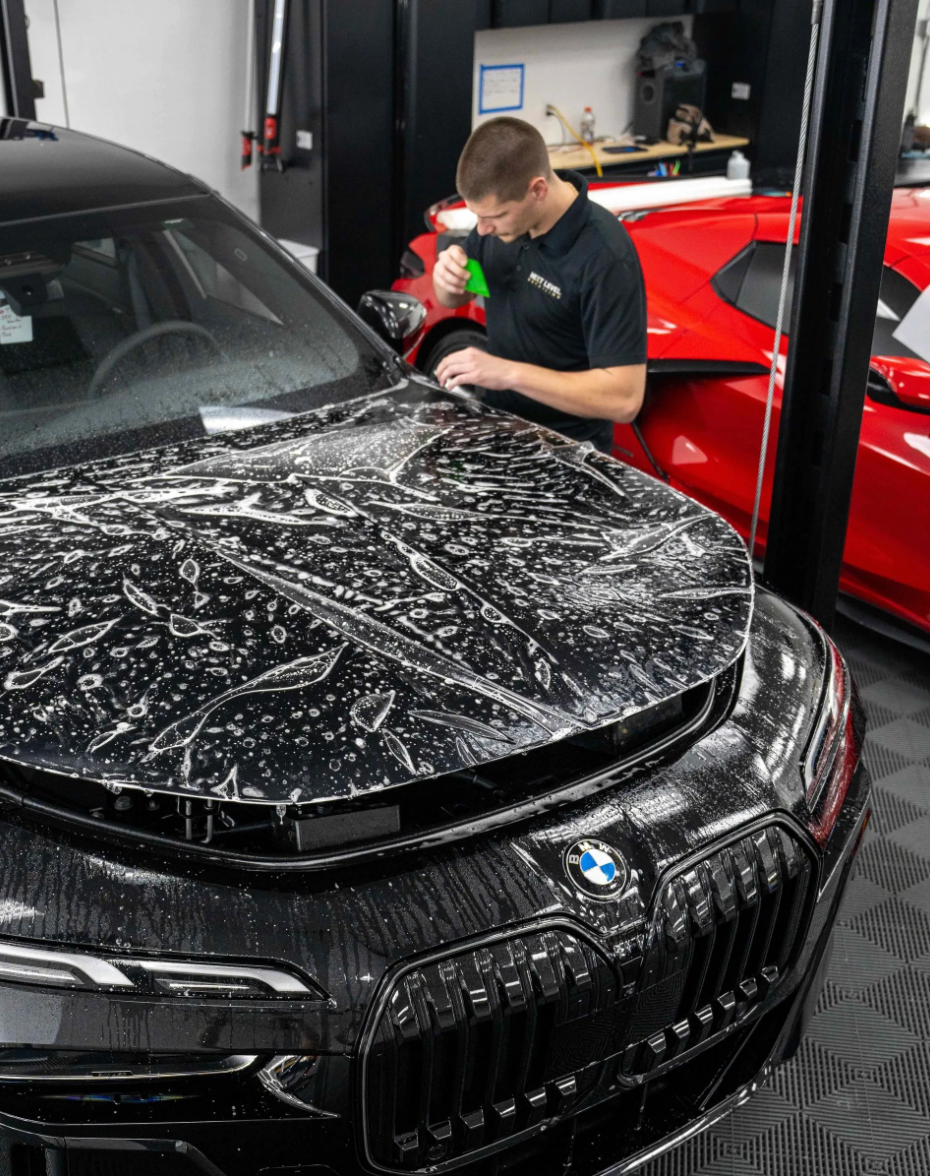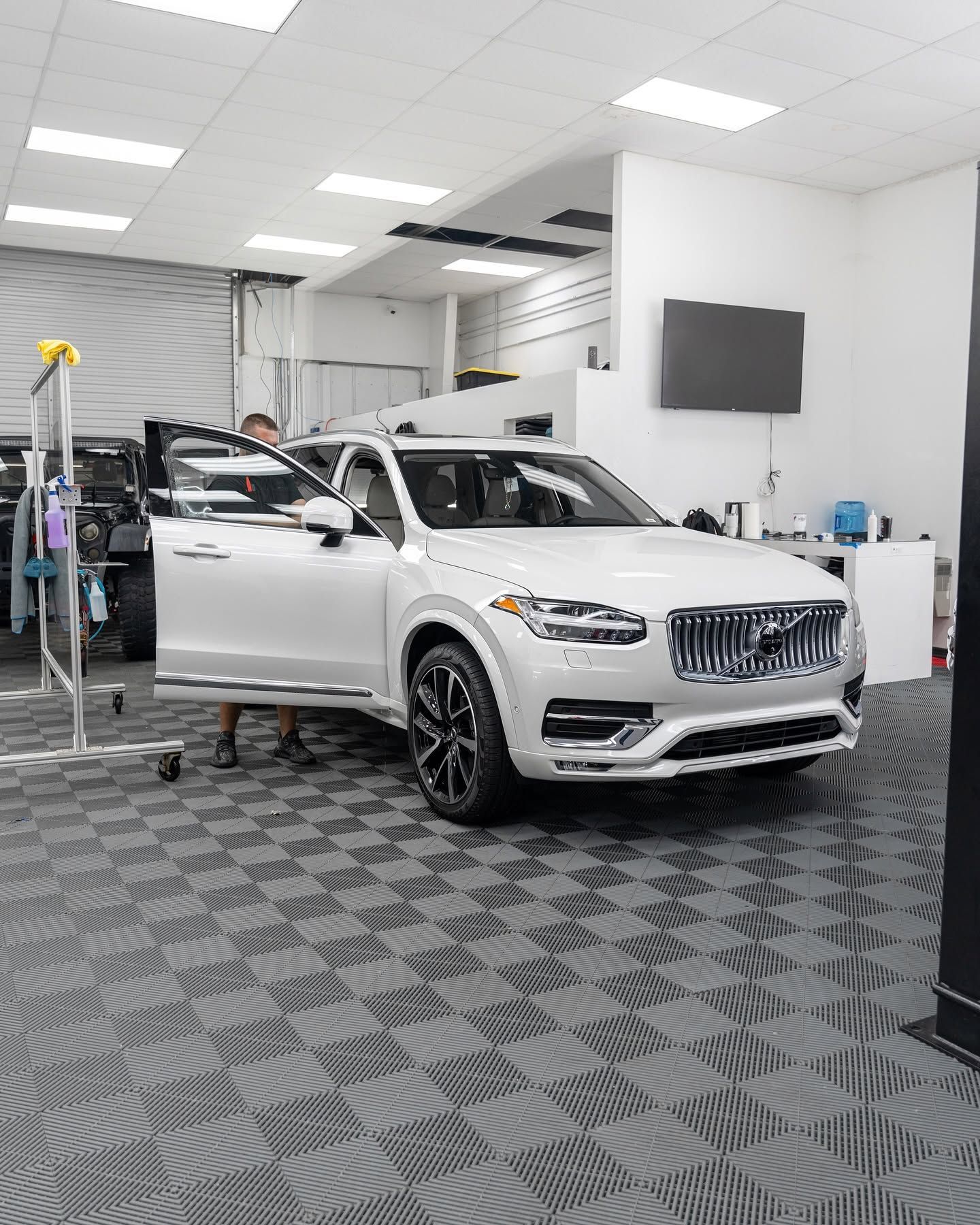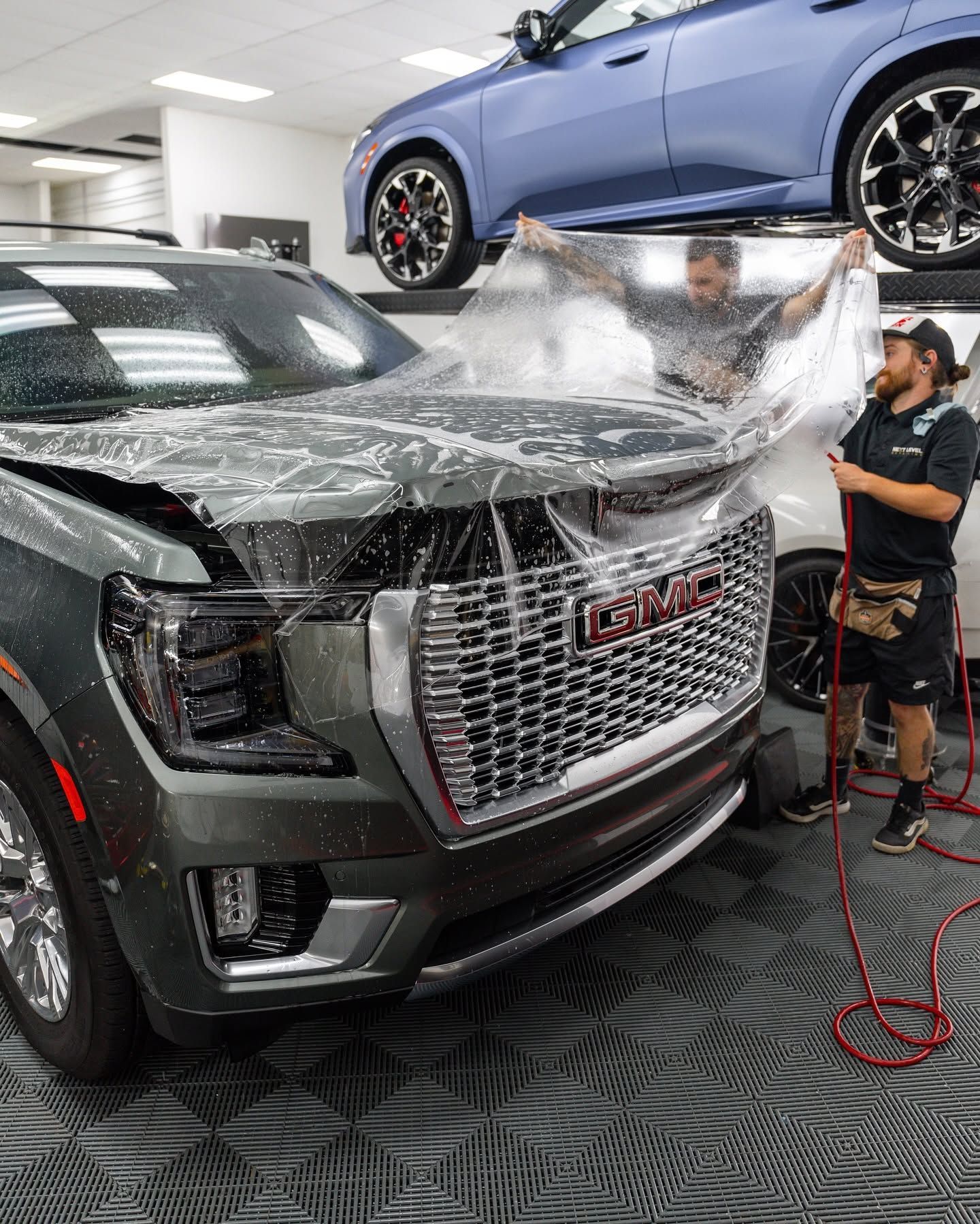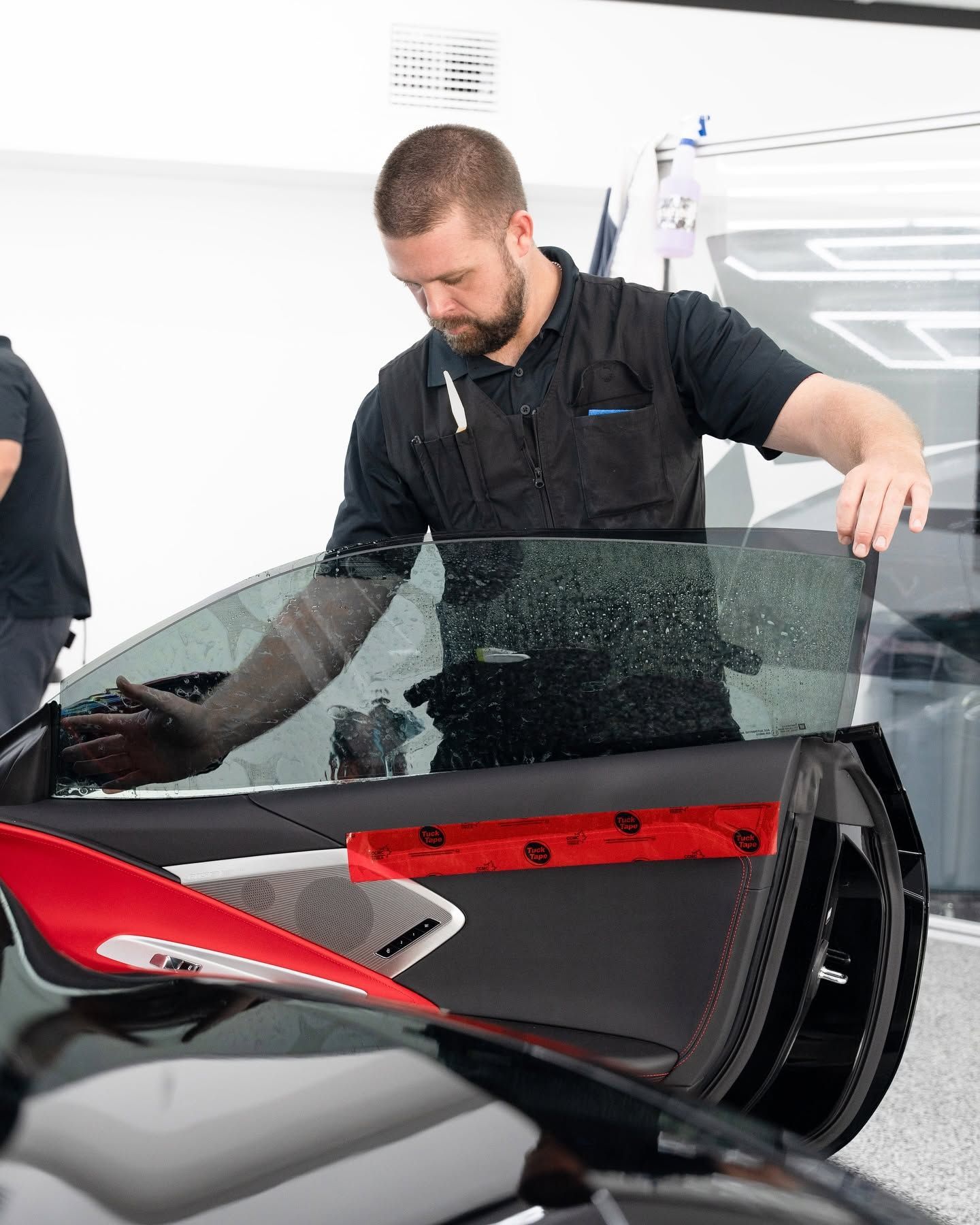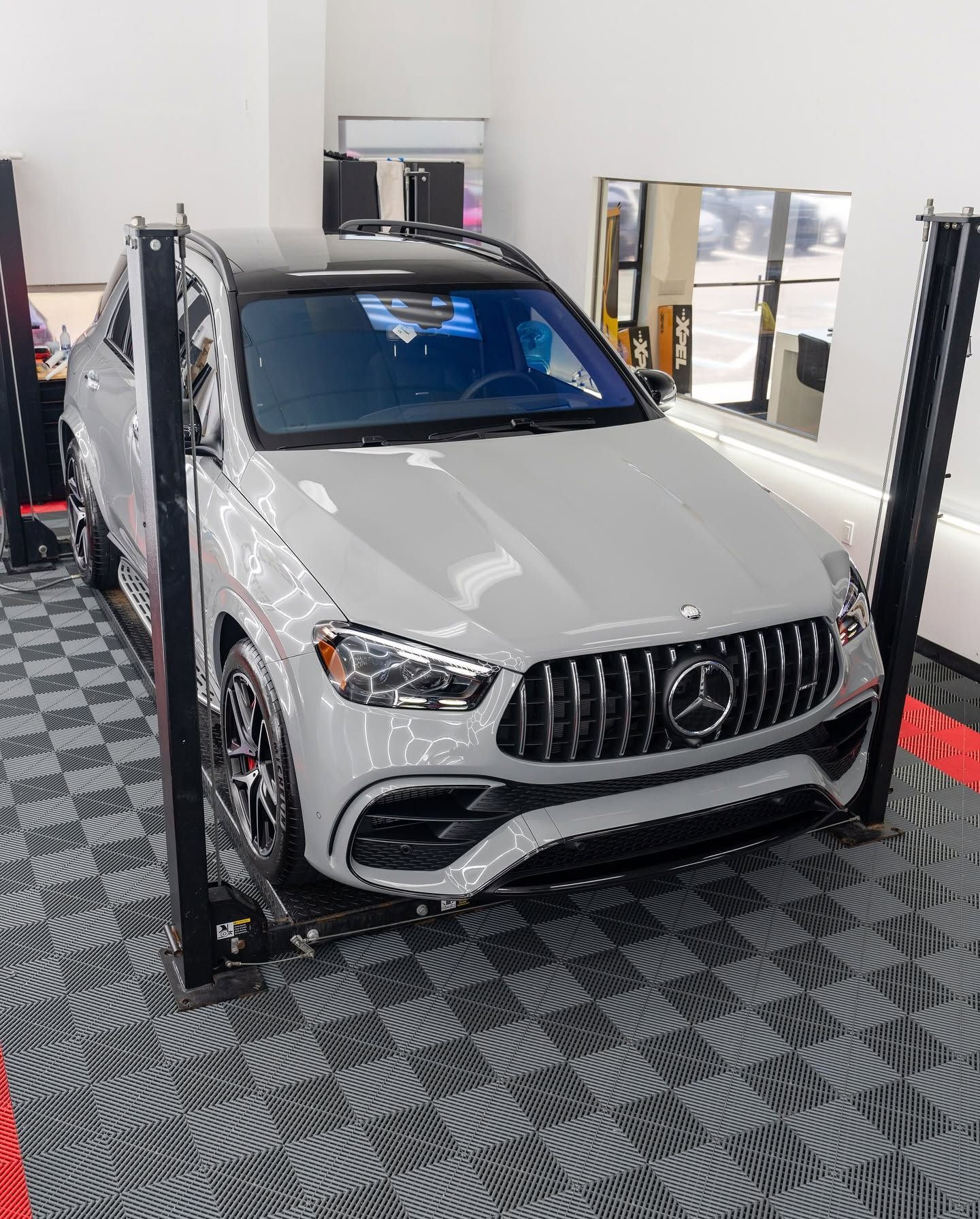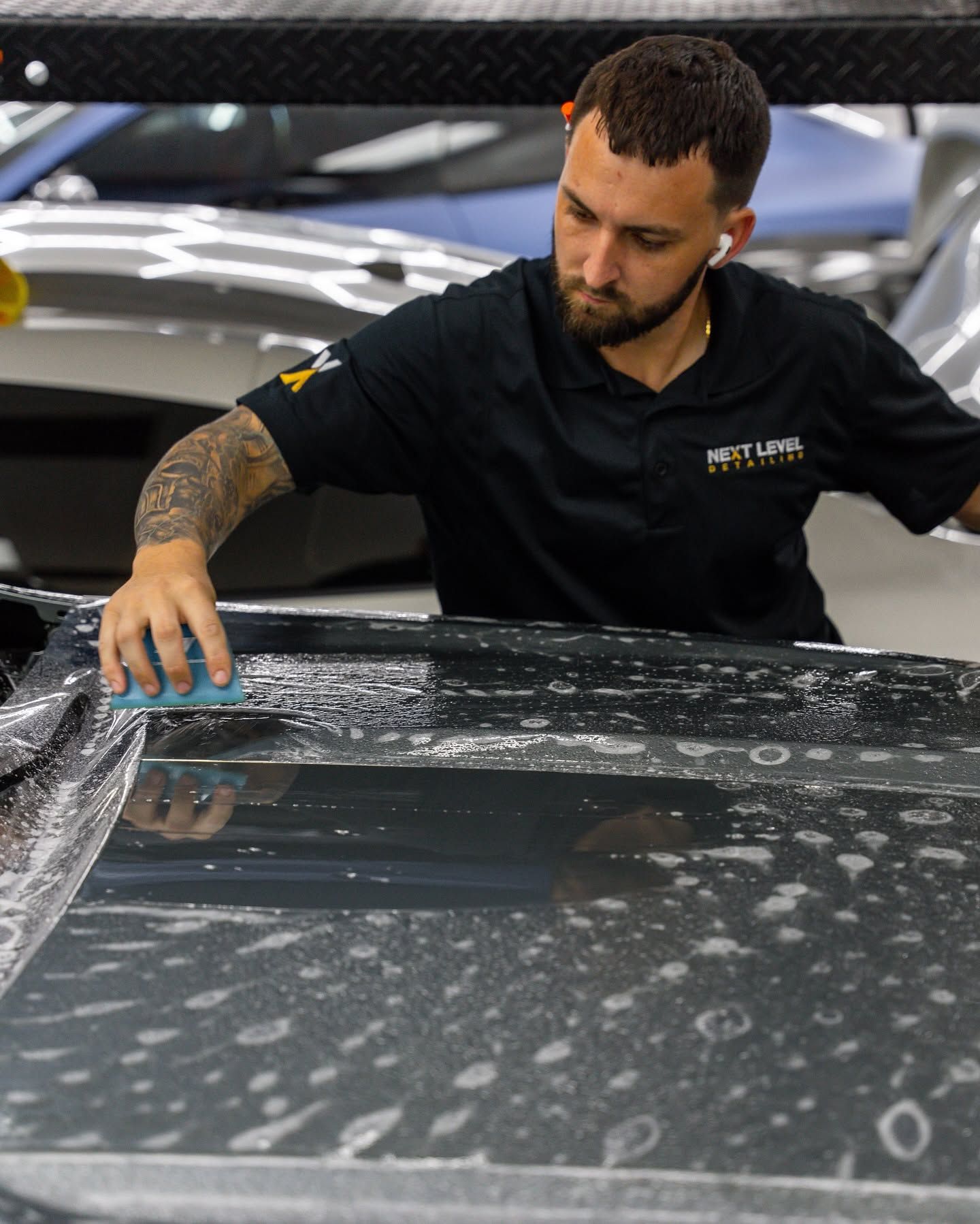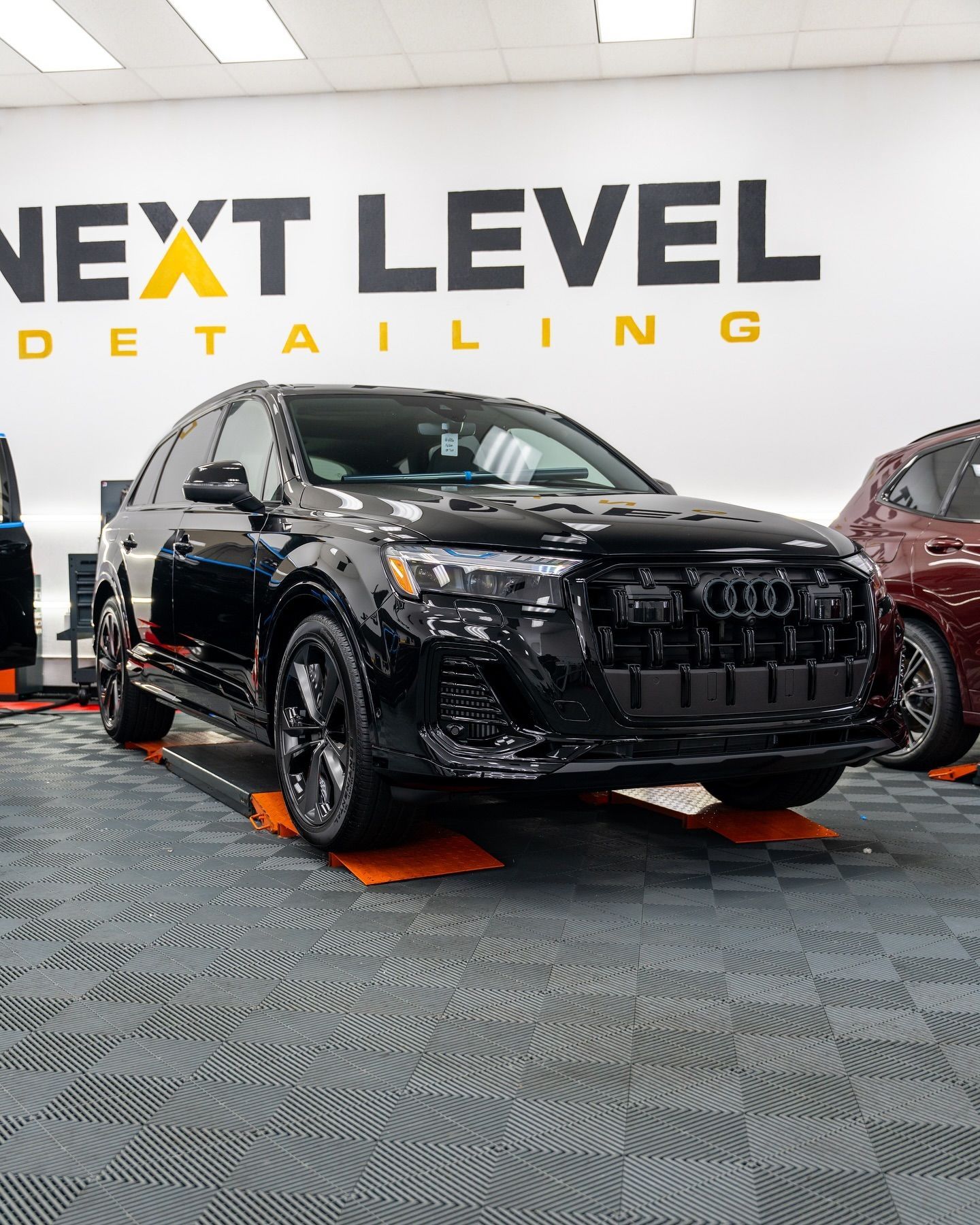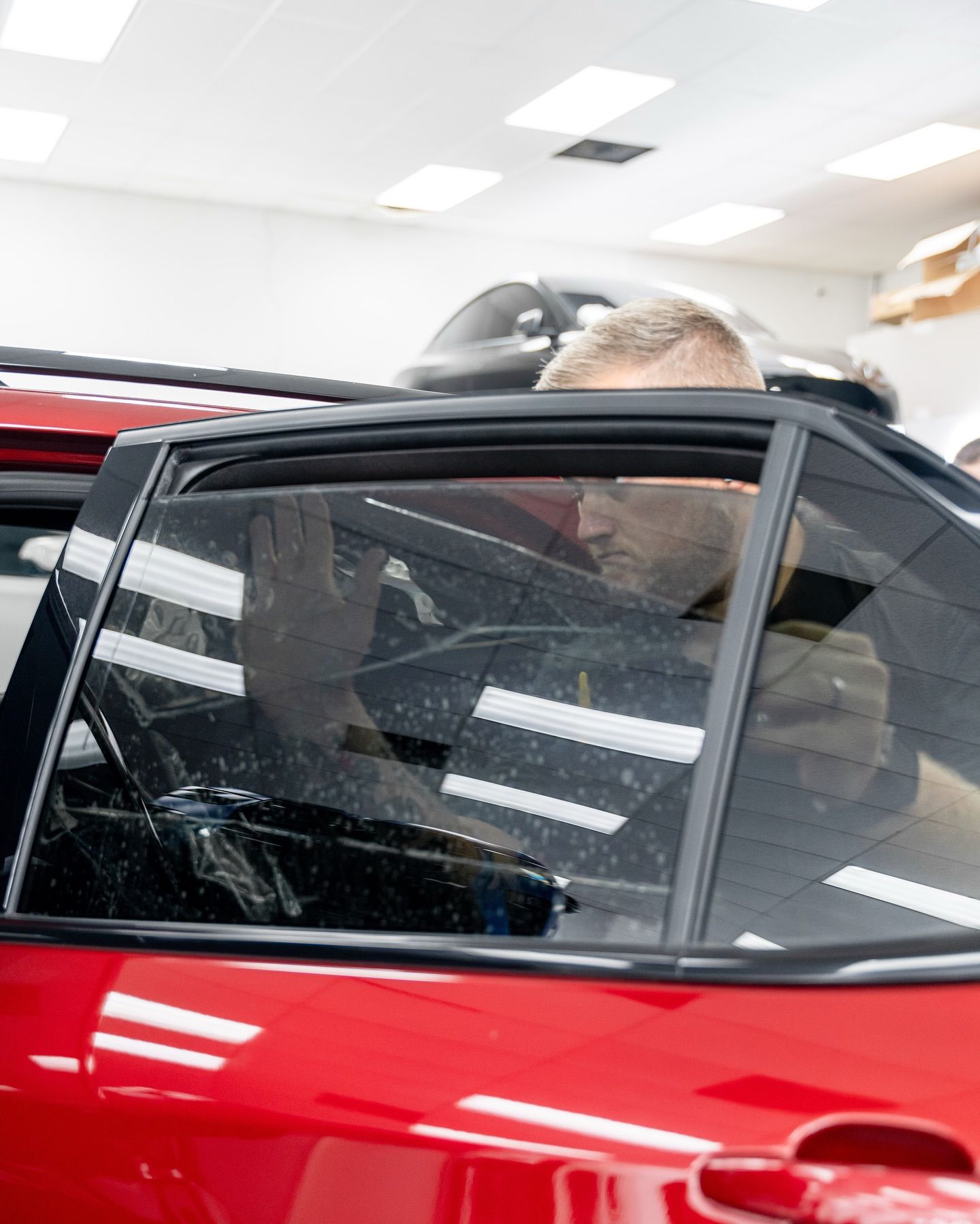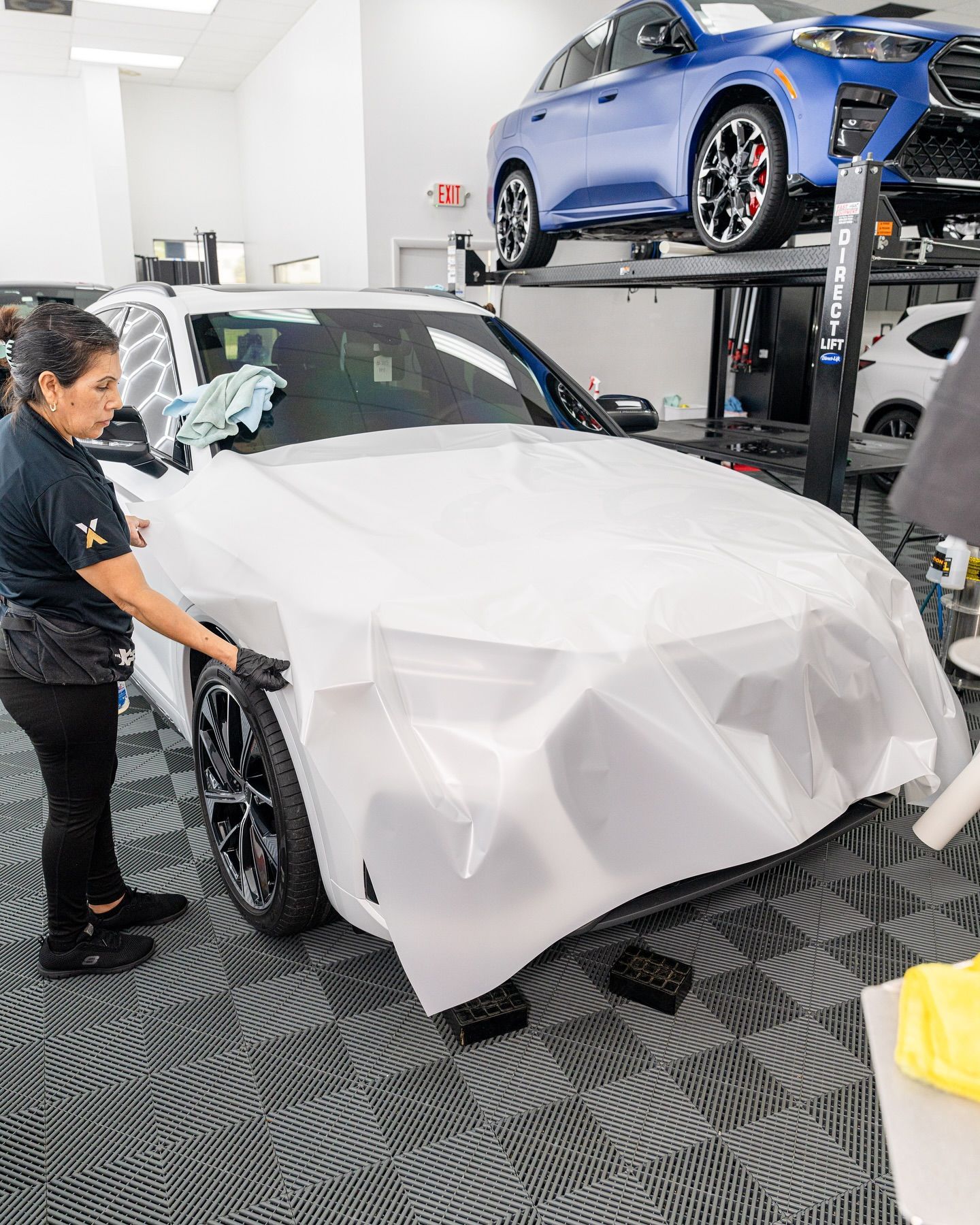
Keeping your vehicle looking new is about more than appearance. It is about protecting one of your most valuable investments. More vehicle owners are choosing Paint Protection Film, commonly known as PPF, as a long-term solution to preserve paint quality, maintain resale value, and reduce long-term maintenance costs. Once used primarily on exotic and high-end vehicles, PPF is now a popular option for daily drivers, luxury vehicles, and performance cars alike. If you are considering this protection for your vehicle, this guide explains how it works, what benefits it offers, and whether it makes sense for your situation. At Next Level Detailing in Fort Myers and Naples, we work with vehicle owners throughout Southwest Florida who want lasting protection and professional results. Here is what you should know before deciding. What Is Paint Protection Film? Paint Protection Film is a transparent, high-durability urethane film designed to shield painted surfaces from everyday wear. Unlike wax or sealants that sit on the surface, PPF forms a physical barrier that absorbs impact and protects the paint underneath. This advanced material was originally developed for military use to protect aircraft components. Today, it has been refined for automotive applications and is widely used on luxury, performance, and daily-driven vehicles. Modern PPF is engineered to be flexible, optically clear, and highly durable. When installed properly, it becomes nearly invisible while providing long-term protection against road debris, environmental contaminants, and UV exposure. Another standout feature is its self-healing capability. Light surface imperfections fade away when exposed to heat, allowing the film to maintain a smooth and consistent appearance over time. High-quality paint protection film also blocks up to 99 percent of harmful ultraviolet rays, helping prevent fading and oxidation, especially in sunny climates like Southwest Florida. Most films range from 6 to 12 mils in thickness, offering an ideal balance between strength and flexibility. When installed by professionals using precision-cut templates, the film fits seamlessly across body panels without visible edges. How Paint Protection Film Works The installation process begins with a detailed surface preparation. The vehicle is thoroughly cleaned and decontaminated to ensure proper adhesion. Once prepared, the film is carefully applied using vehicle-specific templates. Installers use a specialized slip solution that allows the film to be positioned accurately before being secured in place. Heat is then applied to contour the film around curves and edges for a clean, seamless finish. After installation, the film forms a durable barrier that protects the vehicle from daily road exposure while maintaining the original appearance of the paint. When professionally installed and maintained correctly, PPF can last between five and ten years. Benefits of Paint Protection Film Long-Term Paint Protection PPF acts as a shield against road debris, highway contaminants, and environmental exposure. It prevents paint damage that typically occurs from daily driving. Self-Healing Technology Minor surface imperfections fade when exposed to warmth from sunlight or water, helping the vehicle maintain a clean, polished look. UV Resistance Paint Protection Film blocks harmful ultraviolet rays that cause fading and oxidation, preserving the original color and finish of the vehicle. Easier Maintenance Vehicles protected with PPF are easier to wash and maintain. Dirt, insects, and grime are less likely to bond to the surface, reducing the need for aggressive cleaning. Improved Resale Value A well-preserved exterior plays a major role in resale value. Vehicles with protected paint often command higher prices and attract buyers more quickly.