How Window Tinting Affects Clarity and Driving Visibility
Window tinting can reduce harsh daytime brightness and help make your vehicle more comfortable, but its effect on visibility depends on the film you choose. The right balance involves more than selecting a shade. Your existing glass, driving habits, and the quality of installation all influence the finished result.
For drivers in Fort Myers, strong sunlight and hot afternoons make window film a practical consideration. However, a film that feels comfortable during a sunny drive may look different after sunset. Understanding how window tint works can help you choose an option that supports daytime comfort while preserving the visibility you need in darker conditions.
How Window Tinting Can Reduce Daytime Glare
Intense sunlight can make driving uncomfortable, particularly when it enters through a side window during morning or afternoon travel. Window film reduces the visible light passing through treated glass, which can soften excessive brightness.
This reduction may make sunny conditions feel more manageable. However, glare reduction and improved visual clarity are not interchangeable. Film cannot repair damaged glass, remove existing contamination, or eliminate every distracting reflection.
Window placement also matters. Tint applied to the side windows will affect light entering through those windows. It will not address every source of brightness entering through an untreated windshield.
The goal is to choose a film that reduces uncomfortable light while preserving visibility of traffic, pedestrians, and nearby objects. A darker appearance alone does not establish whether a particular film is suitable for your needs.
Understanding Visible Light Transmission
Visible light transmission, commonly called VLT, describes the percentage of visible light passing through a material or tested glass-and-film combination. Higher VLT allows more visible light through, while lower VLT allows less and generally makes the glass appear darker.
For example, a tested combination with 70% VLT allows substantially more visible light through than one with 20% VLT. These percentages describe light transmission, rather than overall product quality or heat rejection.
When reviewing specifications, ask whether the published figure refers to the film alone or the film applied to a particular test glass. The windows already installed in your vehicle affect the final result.
Factory privacy glass can make this especially relevant. Applying additional film to glass that already reduces light produces a darker combination. Matching the appearance of your front and rear windows may therefore require different considerations for each position.
Ask your installer to assess the existing glass and explain the expected finished VLT before selecting a shade.
Why Darker Tint Does Not Always Mean Better Heat Control
Window film performance involves several separate measurements. Visible light transmission describes brightness, while heat rejection and ultraviolet rejection describe different properties.
Some ceramic films offer substantial solar heat rejection without requiring an extremely dark appearance. For drivers who want a more comfortable cabin while retaining more visible light, these products may be worth comparing.
When comparing window films, consider heat control and visibility together. A single performance claim may not reflect how the film will meet your needs, so ask your installer to explain the differences between available options.
UV rejection should also be evaluated independently. A film’s darkness does not establish its level of UV protection.
Comparing the exact products helps you understand what you receive for the price. It also avoids choosing a darker shade when a lighter option may better balance your priorities.
How Tint Affects Night Driving and Rainy Conditions
After sunset, less light is available to reveal road edges, pedestrians, cyclists, and objects around your vehicle. Dark tint further reduces the light passing through treated windows.
This can become noticeable when checking an intersection through a side window or maneuvering in a dim parking area. Rain and fog can make these situations more challenging because visibility is already reduced.
If you regularly drive at night, prioritize visibility through the windows you use to check traffic and nearby objects. Explain your usual routes and travel times during the consultation.
Viewing samples from inside a vehicle can help you compare shades, although a demonstration cannot reproduce every driving condition. Avoid assuming that a film will perform equally well in bright sunshine and on an unlit road.
A shade should suit both the applicable legal requirements and your personal visibility needs. Choosing a legal option does not automatically mean it will feel comfortable in every situation.
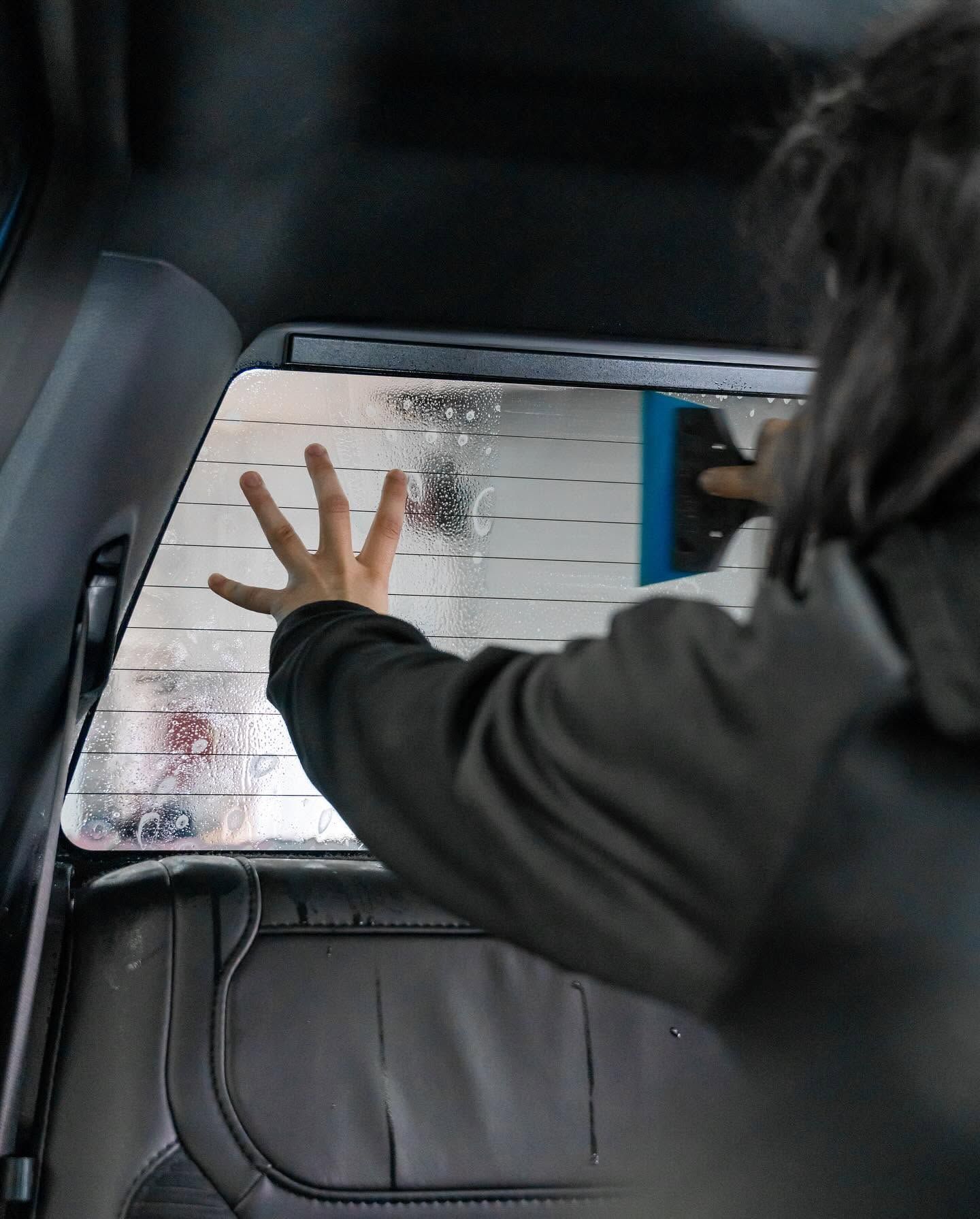
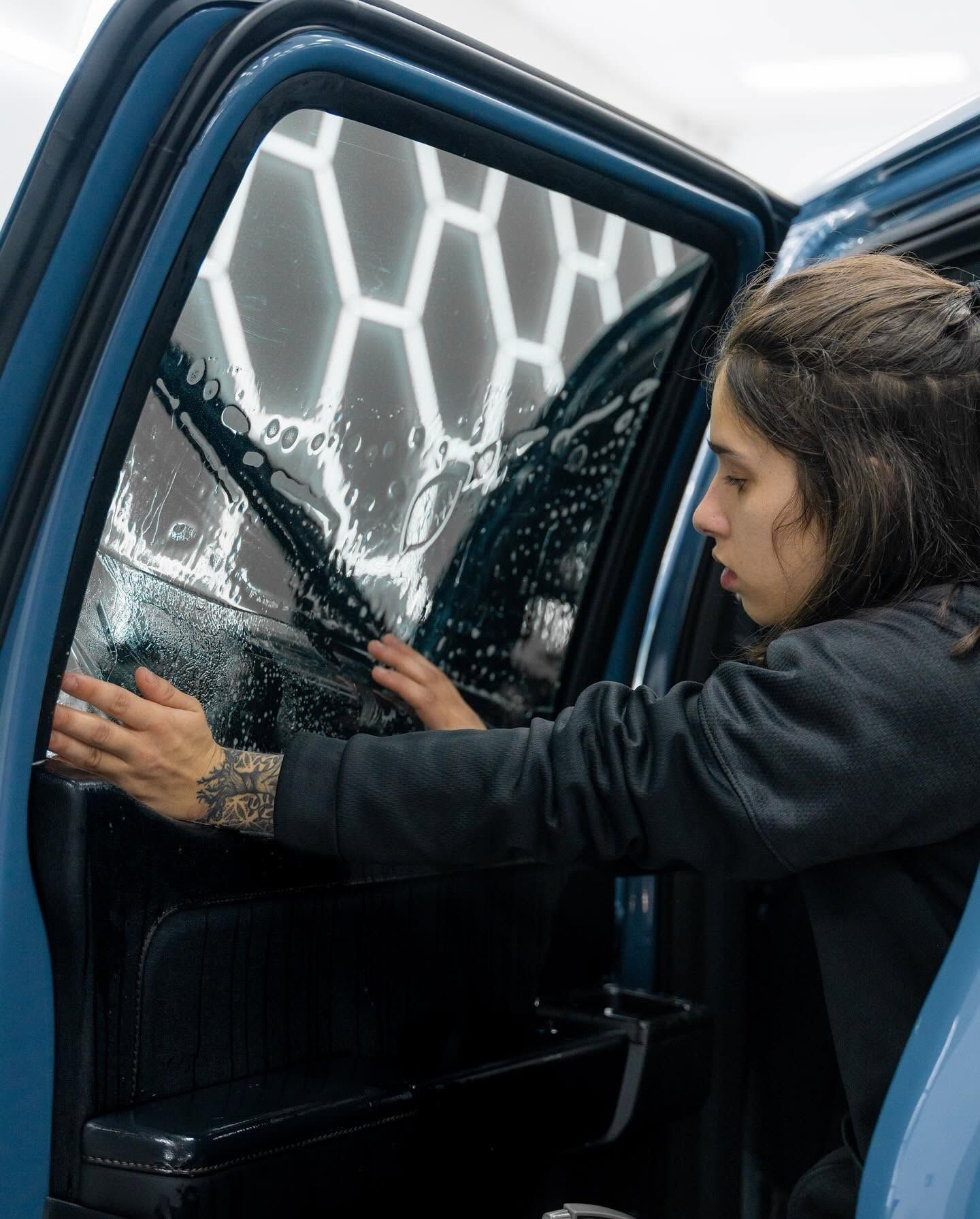
Why Professional Installation Matters for Window Tinting
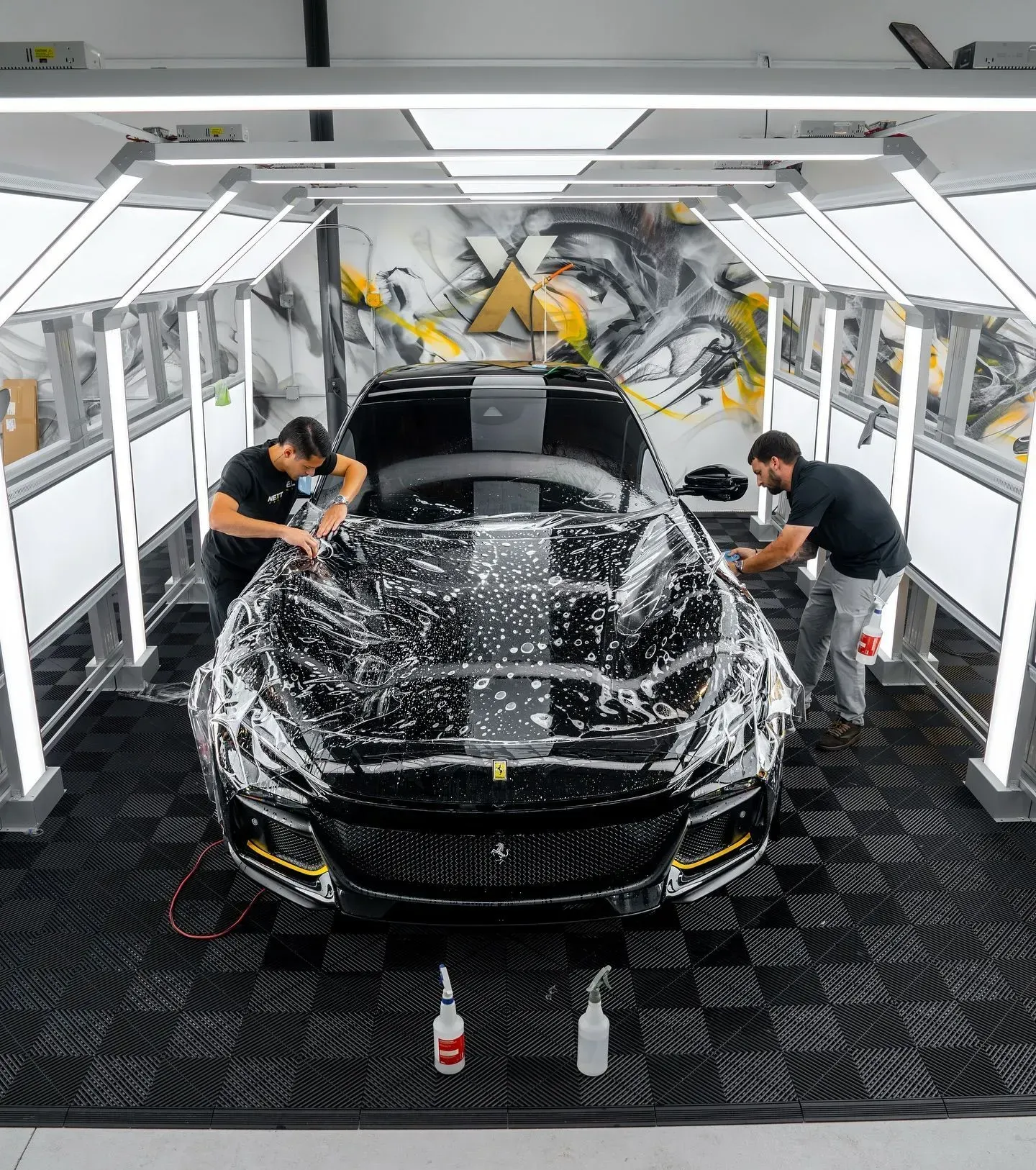
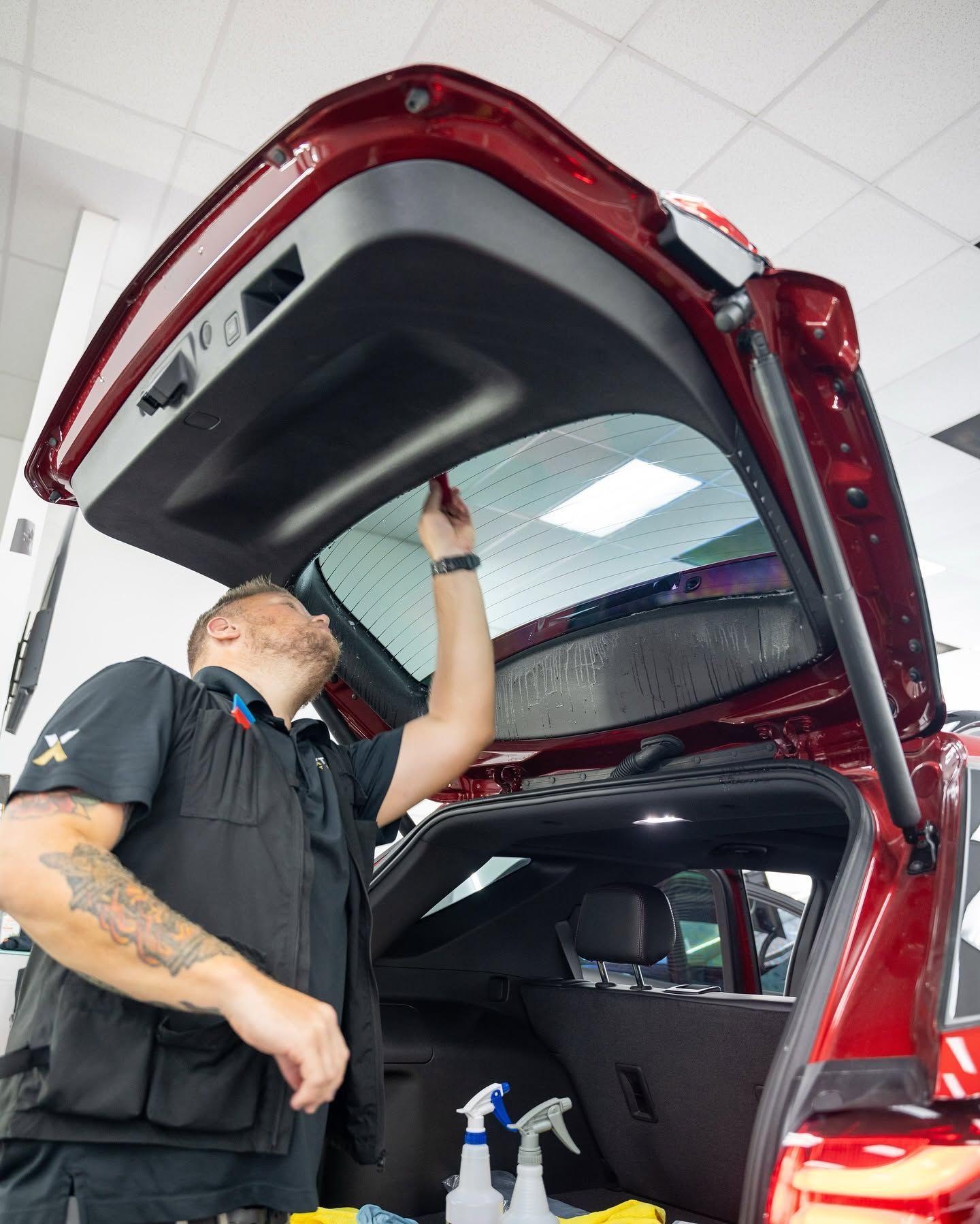
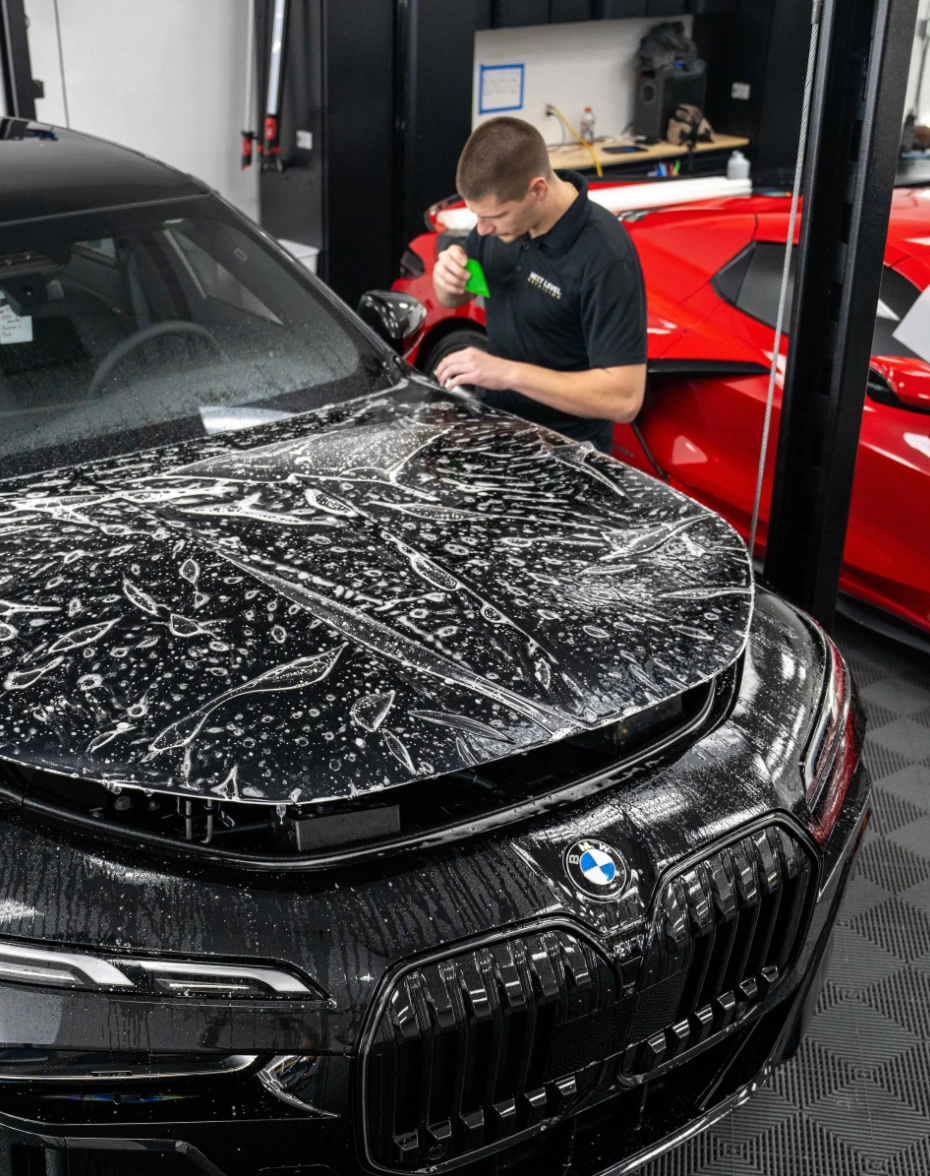
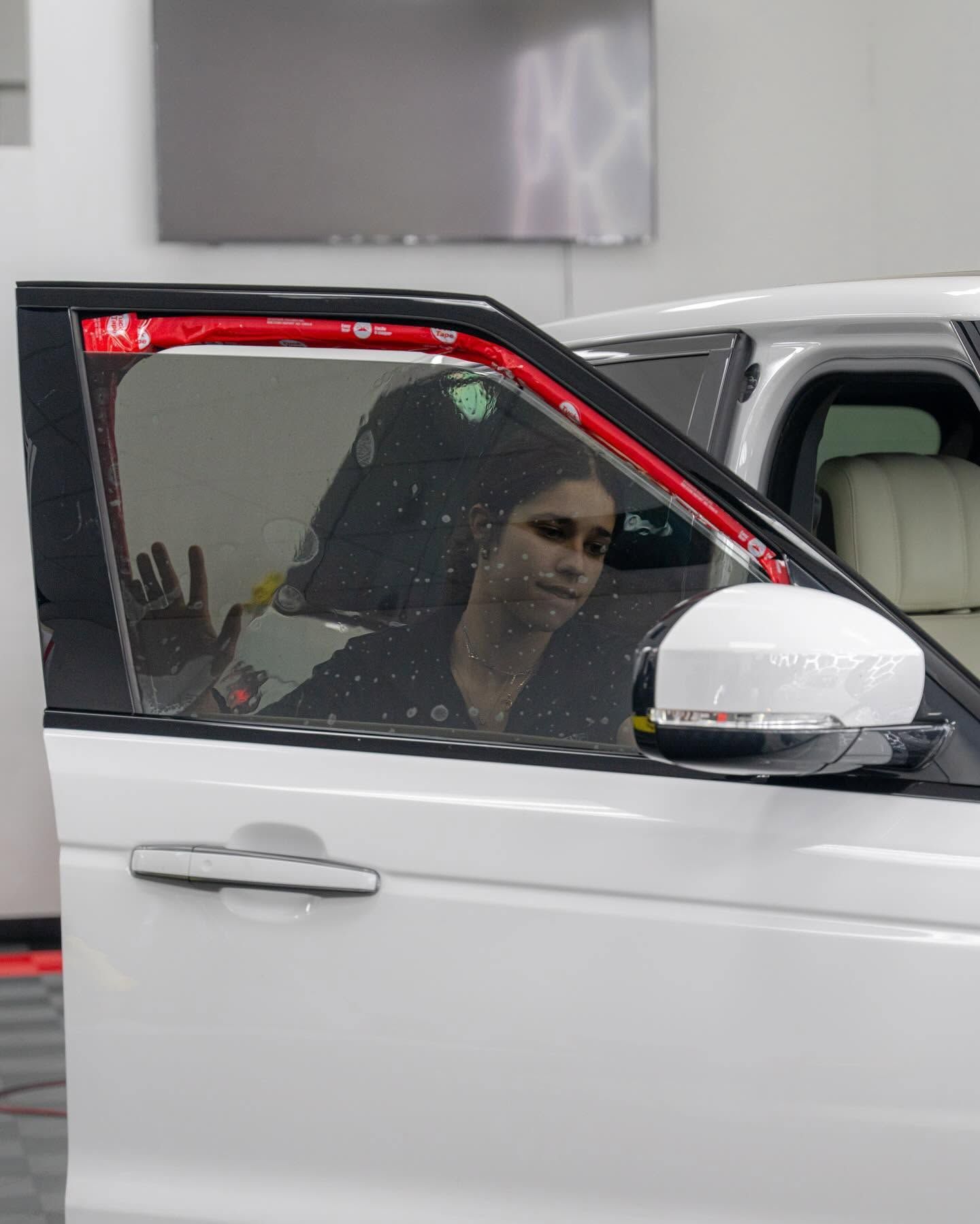
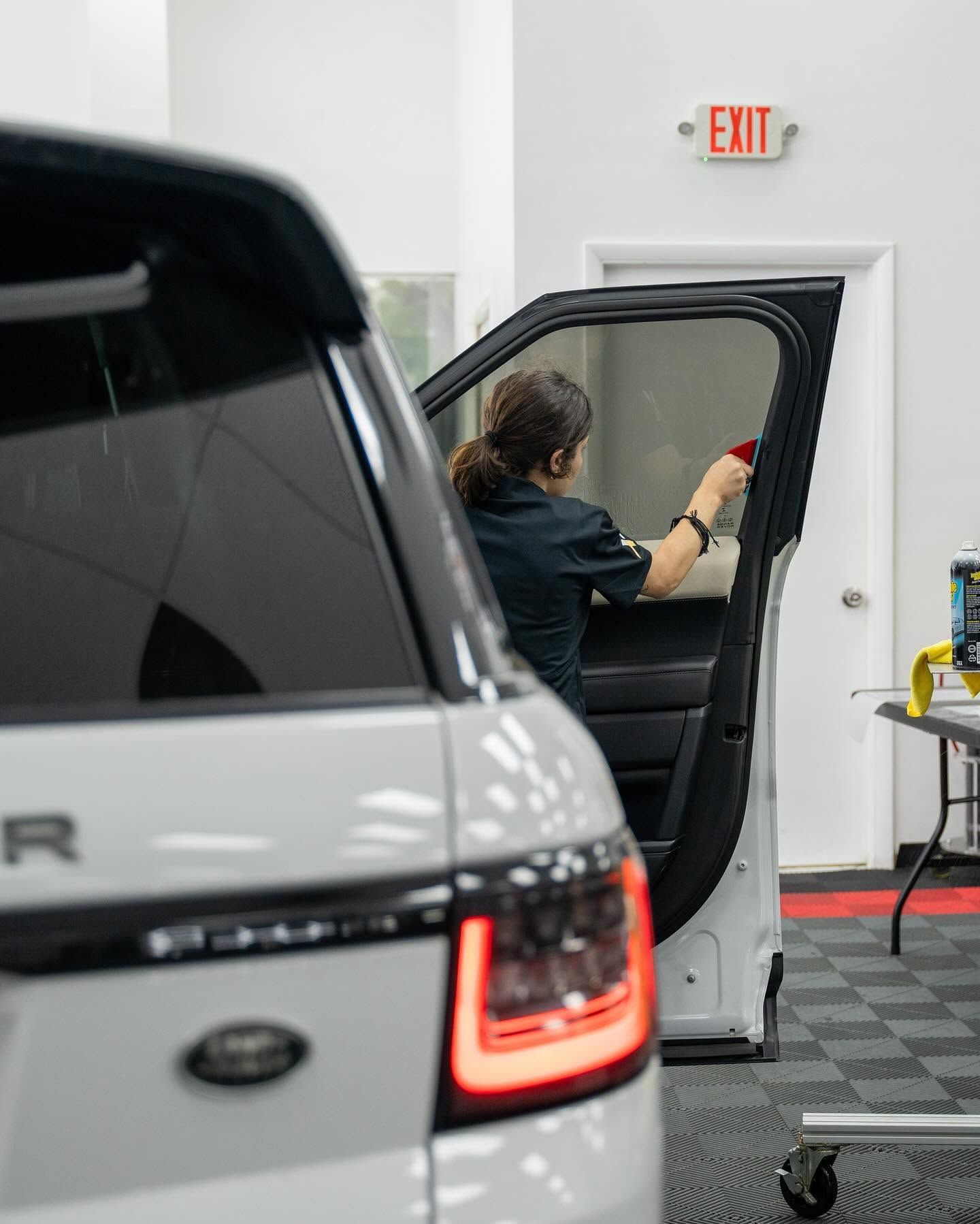
Even a carefully selected film can disappoint if preparation or installation is poor. Contamination, creases, and persistent distortion can affect the appearance of the windows and interfere with a clean view.
Before installation, discuss the condition of your glass. Existing damage, residue, or other imperfections may remain noticeable after tinting. Setting expectations beforehand helps you understand what film can reasonably achieve.
Ask how the installer prepares the windows, checks the finished work, and addresses concerns after you pick up your vehicle. Warranty terms are also worth reviewing, including what is covered and whether specific care requirements apply to the warranty.
Temporary moisture or haze may appear while the film cures. Your installer should explain which effects are expected, how long they may last, and when to arrange an assessment. Careful workmanship and clear communication matter whether you drive a luxury vehicle, a truck, or a daily commuter.
Florida Tint Requirements Depend on Window Position
Florida has different requirements for front side windows, windows behind the driver, and windshields. Certain rear-window provisions also depend on the vehicle’s classification. A shade permitted on one window may not be permitted on another.
Windshield film requires particular attention. Florida’s general windshield provision allows a transparent strip at the top within the specified AS-1 area. A nearly clear appearance should not be treated as proof that a full-windshield installation is permitted.
Before choosing film, confirm the requirements that apply to your vehicle, window positions, and circumstances. Ask how the existing glass will affect the completed window’s light transmission.
Keep your film information and installation paperwork with your vehicle records. If you purchase a used vehicle with existing tint, have it assessed rather than assuming the previous installation provides the visibility or compliance you need.
Choosing Window Tint for Your Daily Routine
The most useful starting point is how you actually drive. A Fort Myers commuter who leaves before sunrise may have different priorities from someone whose vehicle is mainly used during daylight hours.
Think about the conditions that currently cause discomfort. Is strong side-window sunlight the main concern? Are you looking for better heat performance while preserving a lighter appearance? Do you frequently park or reverse in poorly lit areas?
Discussing these details gives the installer a clearer basis for explaining suitable options. Appearance can remain part of the decision, but it should be considered alongside visibility, documented performance, installation quality, and cost. Ask for a clear explanation of the differences between the films being quoted.
This approach supports an informed purchase and helps prevent disappointment caused by choosing a product solely for its shade or a single advertised performance figure.
Caring for Tinted Windows After Installation
Follow the installer’s instructions for curing, window operation, and cleaning. The appropriate waiting period can depend on the film and installation conditions, so use the guidance provided for your vehicle.
Once cleaning is permitted, use film-safe products and soft cloths. Avoid abrasive tools or methods that could damage the surface.
Clean untreated glass as well. Residue on the inside of a windshield and contamination on the outside can affect your view regardless of the tint installed elsewhere.
Keep your wipers in good condition and your headlights clean. At night, reducing excessive dashboard brightness can help limit distracting reflections.
If haze, bubbles, or distortion persist beyond the expected curing period, contact the installer. Describe when the issue occurs so the glass and film can be assessed.
Explore Window Tinting in Fort Myers With Next Level Detailing
At Next Level Detailing, we focus on quality workmanship and a customer experience built around clear communication. We offer window tinting options for drivers in Fort Myers and Naples who want to balance comfort, appearance, and practical performance.
Choosing window tinting in Fort Myers starts with understanding your vehicle and how you use it. Compare documented film specifications, consider your nighttime driving needs, and discuss the requirements for each window before making a decision.
Contact Next Level Detailing
to discuss your goals and request a window tinting quote. Our team can help you compare available options and choose a film with your everyday driving needs in mind.